30,000 Hospitality Best Practices Powering AI Agents
30,000 hospitality artefacts now help power AI agents with practical best practices shared by operators, trainers, and other industry experts.


Overview
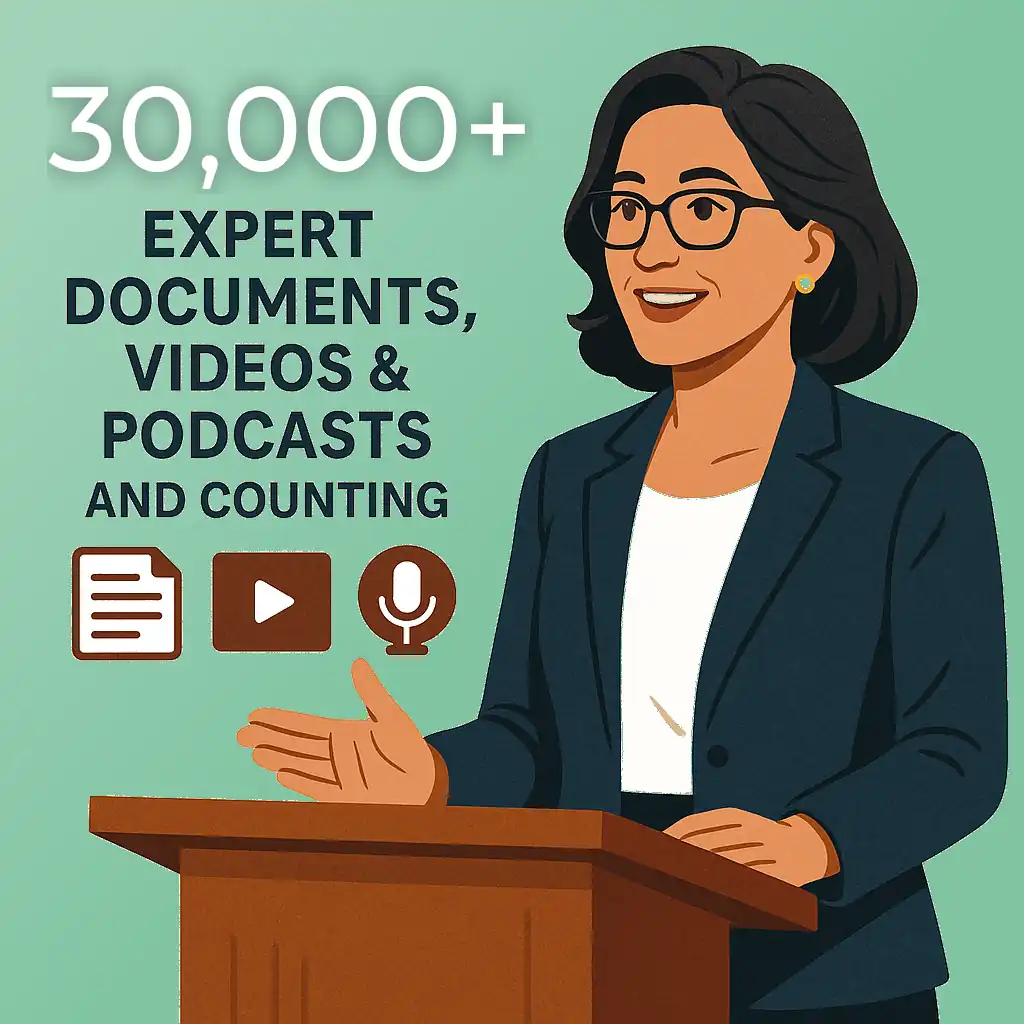
We have crossed 30,000 user-provided artefacts in our hospitality best practices knowledge base.
Eleven months ago, the number stood at 2,000. It is now 30,000, which means the knowledge base has grown 15x in less than a year.
What feels most important, though, is not the pace of growth. It is the fact that so many people in hospitality decided to contribute material they had created through real work and make it useful beyond its original setting. A framework built for one team, a training document shaped over time, a checklist that helped things run more smoothly, these uploads now help other people too.
Each contribution carries some of that experience forward.
Built by People in the Work
This library exists because operators, trainers, consultants, hotel school lecturers, and students took the time to contribute. The formats differ, but the impulse behind them is much the same: share something that has practical value.
The largest contributions so far are in finance and revenue management, alongside a growing body of knowledge embedded in personal twins. Those areas lend themselves well to reuse because they often involve repeatable structures, decision patterns, and ways of working that others can adapt.
That matters in an industry where many teams are still stretched. Roles change hands quickly. Experienced staff are not always easy to find. Under those conditions, access to someone else’s thinking can be surprisingly useful. Sometimes what helps most is not a grand playbook, just a clear example of how another person approached the problem.
A checklist can do that. So can a meeting format, a model, or a piece of guidance that saves someone twenty minutes at exactly the right moment.
As the Library Fills Out
Some uploads are narrow and highly specific. Others become useful across a whole function.
Over time, the library becomes easier to rely on because there is simply more range in it. More situations covered. More roles reflected. More material shaped by people who have done the work themselves. Not all of it is shared in the same way. Some content is openly available, while some is assigned to certain roles, plans, or contexts. That gives contributors control and helps keep the experience relevant for the people using it.
Hospitality Knowledge in AI Form
General AI tools are fluent, but that is not the same as understanding hospitality.
A lot of hospitality work depends on judgment that is hard to fake: when to bend, when to hold a standard, how to read a situation, how to balance service with margin, how to keep operations moving when the ideal option is no longer available. Without that kind of grounding, an AI agent may sound capable and still be off.
This knowledge base moves things closer to the way hospitality is actually practiced. One simple way to describe it is this: it is a bit like sending an AI agent to hotel school so it can absorb some of the industry-specific nuance before being asked to help.
Personal AI Twins
The same contributions also feed into AI Personas (digital twins).
For contributors, this goes beyond sharing knowledge with others. More decisions, tasks, and workflows will increasingly pass through AI systems. If your way of thinking is absent there, the default will be something generic.
A personal twin gives you a way to stay present and relevant. It can reflect how you approach decisions, what you pay attention to, and what kind of standards you hold. It also makes delegation more realistic, because the agent is working from a better representation of you instead of improvising from scratch.
Join the Knowledge Expert Program
If you have original hospitality knowledge to share, this is a good time to join the Knowledge Expert Program.
Your content can be assigned where it fits best, whether by role, plan, or context. It can help other professionals do better work, while also giving your own expertise a more active place in the world of AI.
Frequently Asked Questions
How do I stop AI agents from sounding generic in a hotel setting?
Give them hotel knowledge, not just a prompt. A generic model can write a polished answer about upselling or service recovery and still miss the tone, timing, or operational reality of a hotel team on a busy day. The fix is a hospitality-specific knowledge layer built from real materials: SOP examples, training decks, finance templates, revenue frameworks, checklists, FAQs, and expert guides. When AI agents are grounded in that kind of content, they stop acting like clever outsiders and start sounding more like someone who has actually sat in the morning briefing, handled guest complaints, or reviewed yesterday’s pickup. Think less “chatbot with confidence” and more “assistant trained by people who know the work.”
What kind of content should hotels use to train or ground hospitality AI agents?
Start with the stuff your team already relies on when things get real. Training documents, meeting templates, service standards, budgeting sheets, pricing frameworks, onboarding guides, troubleshooting notes, even the checklist a duty manager keeps in a folder nobody talks about but everyone uses. Those materials carry the judgment and shortcuts that make a hotel run. The strongest knowledge areas so far are finance and revenue management because they often come with repeatable logic, but practical content from operations matters just as much. If an AI agent can learn from the same material you would hand to a new manager on day three, you are on the right track.
Why is hospitality jargon and operational nuance so hard for generic AI tools?
Because hospitality is full of meaning that sits between the words. “Take care of the guest” sounds simple until you are balancing ADR, staffing levels, brand standards, owner pressure, and a front desk queue at 6 p.m. Generic AI is good at language. Hotels need judgment. That includes knowing when to comp, when to escalate, when to hold the line, and when a perfectly nice answer is still the wrong one. Without industry grounding, AI tends to flatten everything into neat but shallow advice. It sounds polished, then falls apart the moment the situation gets messy. A hotel is not a writing exercise. It is live operations.
How can AI help hotels deal with staff shortages and high turnover?
By making hard-won knowledge easier to reuse. When teams are lean, managers do not have time to explain the same process five different ways, and new hires cannot wait six months to become useful. A grounded AI agent can surface the right checklist, explain a process in plain language, or point someone to a proven way of handling a recurring issue. That saves time, but more importantly, it helps teams stay steady when experience is uneven. In practice, that might mean a new department head finding a workable meeting format, or a revenue manager using a framework another expert already refined. Less guesswork. Fewer dead ends. Better days on property.
Can hospitality professionals turn their own expertise into an AI agent or digital twin?
Yes, and that is going to matter more than most people think. As more work starts flowing through AI, somebody’s logic will shape the output. If your own standards and way of thinking are not represented, the fallback is generic. A personal AI persona, or digital twin, lets a professional put their approach into a form that others can use. That could be a finance leader’s way of reviewing costs, a revenue expert’s way of thinking about displacement, or a trainer’s approach to onboarding. It also makes delegation far more believable, because the agent is not inventing your style on the fly. It is working from a version of you that has actually been taught something.
What makes a hospitality AI knowledge base actually useful for owners and operators?
Relevance and control. A useful knowledge base is built from real hospitality material, not generic internet content, and it does not dump everything on everyone. Some knowledge should be broad. Some should sit with certain roles, seniority levels, or service plans. That is how you keep it practical. A hotel owner looking at margins does not need the same guidance as a front office supervisor handling arrivals. The best setups let experts contribute their own content, keep ownership of it, and decide where it should show up. When done well, the AI stops giving one-size-fits-all answers and starts responding more like a trained member of the team.